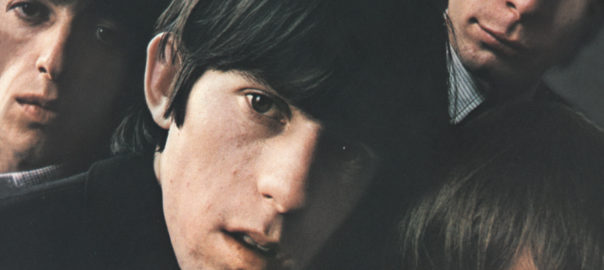
Archives

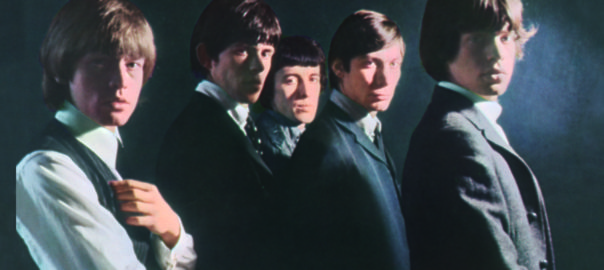
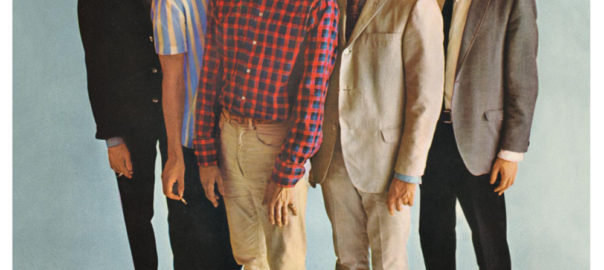
Out Of Our Heads

Album Review by Richie Unterberger, AllMusic.com:
In 1965, the Stones finally proved themselves capable of writing classic rock singles that mined their R&B/blues roots, but updated them into a more guitar-based, thoroughly contemporary context. The first enduring Jagger-Richards classics are here — “The Last Time,” its menacing, folky B-side “Play With Fire,” and the riff-driven “Satisfaction,” which made them superstars in the States and defined their sound and rebellious attitude better than any other single song. On the rest of the album, they largely opted for mid-’60s soul covers, Marvin Gaye’s “Hitch Hike,” Otis Redding’s “Cry to Me,” and Sam Cooke’s “Good Times” being particular standouts. “I’m All Right” (based on a Bo Diddley sound) showed their 1965 sound at its rawest, and there are a couple of fun, though derivative, bluesy originals in “The Spider and the Fly” and “The Under Assistant West Coast Promotion Man.”

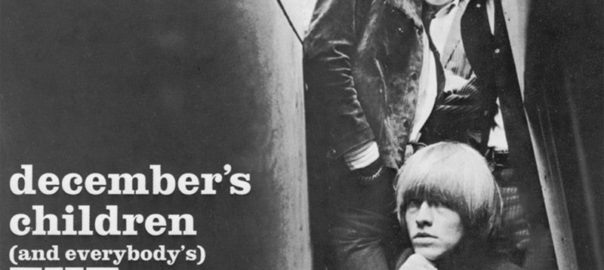
December’s Children (And Everybody’s)

Album Review by Richie Unterberger, AllMusic.com:
The last Stones album in which cover material accounted for 50 percent of the content was thrown together from a variety of singles, British LP tracks, outtakes, and a cut from an early 1964 U.K. EP. Haphazard assembly aside, much of it’s great, including the huge hit “Get Off of My Cloud” and the controversial, string-laden acoustic ballad “As Tears Go By” (a Top Ten item in America). Raiding the R&B closet for the last time, they also offered a breathless run-through of Larry Williams’ “She Said Yeah,” a sultry Chuck Berry cover (“Talkin’ About You”), and exciting live versions of “Route 66” and Hank Snow’s “I’m Moving On.” More importantly, Jagger-Richards’ songwriting partnership had now developed to the extent that several non-A-side tracks were reasonably strong in their own right, such as “I’m Free” and “The Singer Not the Song.” And the version of “You Better Move On” (which had been featured on a British EP at the beginning of 1964) was one of their best and most tender soul covers.

12 X 5

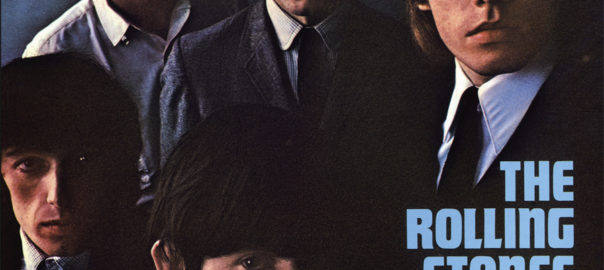
12 X 5 was the Stones’ second U.S. full-length release. Originally released in October of 1964, 12 X 5 combines the Five by Five EP (recorded at Chess Studios in Chicago) with the singles “It’s All Over Now” and “Time Is on My Side” and the B-sides of those singles. Also part of the 12 X 5 tune stack are three more tracks that were later included in the Stones’ second UK full-length The Rolling Stones No. 2. 12 X 5 is dominated by the Stones’ takes on R&B and blues songs. The way in which Mick Jagger, Keith Richards, Charlie Watts, Bill Wyman and Brian Jones interpreted these songs shaped and informed the hard blues/R&B wing of the British Invasion in ensuing years.

Album Review by Richie Unterberger, AllMusic.com:
The evolution from blues to rock accelerated with the Rolling Stones’ second American LP. They turned soul into guitar rock for the hits “It’s All Over Now” and “Time Is on My Side” (the latter of which was their first American Top Ten single). “2120 South Michigan Avenue” is a great instrumental blues-rock jam; “Around and Around” is one of their best Chuck Berry covers; and “If You Need Me” reflects an increasing contemporary soul influence. On the other hand, the group originals (except for the propulsive “Empty Heart”) are weak and derivative, indicating that the band still had a way to go before it could truly challenge the Beatles’ throne.

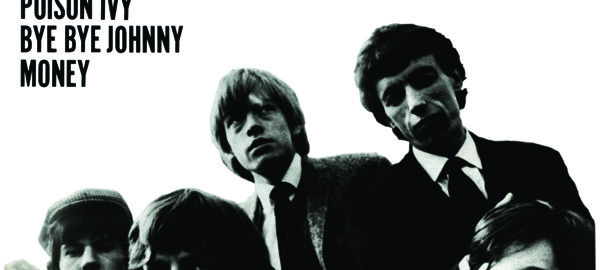
England’s Newest Hitmakers

Album Review by Bruce Eder, AllMusic.com:
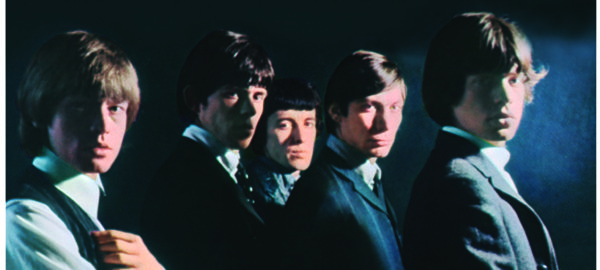
The British version of the Stones’ first album has a nearly identical cover to its American equivalent, issued six weeks later, but a slightly different song lineup. Among these 12 songs, absent is “Not Fade Away,” which was a hit single in England (where singles and LPs were usually kept separate), and in its place is the Stones’ cover of Bo Diddley’s “Mona (I Need You Baby)” (credited here as “I Need You Baby”), which had to wait until Rolling Stones Now!, a year later, for its U.S. release. It’s not a big switch, a Bo Diddley-style cover of a Buddy Holly song bumping an actual Bo Diddley cover on the U.S. version. Otherwise, the main difference lies in the version of “Tell Me” included here, which sounds about two generations hotter than any edition of the song ever released in the U.S. — it’s the long version, with the break that was cut from the single, but the British LP and the original late-’80s Decca U.K. compact disc (820 047-2) both contain a version without any fade, running the better part of a minute longer than the U.S. release of the song, until the band literally stops playing.

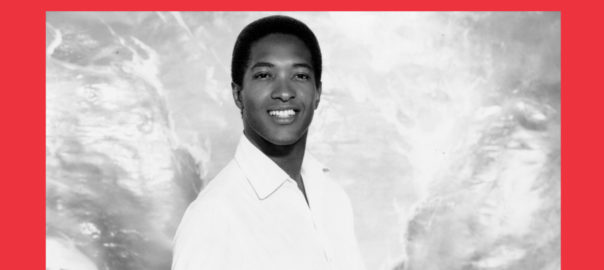
Ain’t That Good News

Album Review by Bruce Eder, AllMusic.com
The last of his studio albums released in his lifetime, Sam Cooke’s Ain’t That Good News offers a lot of superb material, pointing in several directions that, alas, were to go largely unexplored. The central number is, of course, the earth-shattering “A Change Is Gonna Come,” with its soaring gospel sound and the most elaborate production of any song in Cooke’s output. The rousing though less substantial title track also came out of a gospel tradition, as does Cooke’s treatment of “Tennessee Waltz,” which is one of his finest adaptations of contemporary pop material. “Falling in Love” was the work of Harold Battiste, an old friend of Cooke’s who had recently re-entered his orbit and was partly responsible for encouraging the singer in exploring the New Orleans sound that was evident on “Rome Wasn’t Built in a Day” and “Meet Me at Mary’s Place.” And then there’s “Good Times,” a bittersweet, introspective party number, and the pensive successor to “Twistin’ the Night Away.” There are a few moments where the spell is almost broken by the intrusion of what seems like pop material, but even Cooke’s version of “The Riddle Song” is worth owning, as a glimpse of how he could turn a folk song into a something so quietly soulful that its origins disappeared. With the exception of “Another Saturday Night,” which had been released as a single early in the previous year, Ain’t That Good News comprised the first material that Cooke had recorded in the six months following the drowning death of his 18-month-old son Vincent; it was also the first album that Cooke recorded and released under his new contract, which gave him greater freedom in choosing repertory and sidemen than he’d ever had, and so it offered a lot of pent-up emotional and musical expression, and, as it turned out, was tragically unique in the singer’s output. Ain’t That Good News was reissued in June of 2003 as an extraordinary audiophile-quality hybrid CD/Super-Audio CD edition by ABKCO Records, with full music and session credits. The sound on that edition literally blows any prior edition of the album, or any earlier CD release of those songs.

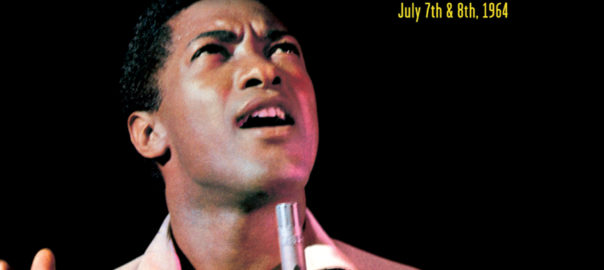
Sam Cooke At The Copa

Album Review by Bruce Eder, AllMusic.com
For decades, Sam Cooke at the Copa was a frustrating record. One of a handful of live albums by any major soul artist of its era, it captured Cooke in excellent voice, and was well-recorded — it just wasn’t really a “soul” album, except perhaps in the tamest possible definition of that term. Playing to an upscale, largely white supper-club audience, in a very conservatively run venue where he had previously failed to impress either patrons or the management, Cooke toned down his performance and chose the safest material with which he could still be comfortable. In place of songs like “Feel It,” “Bring It On Home to Me,” or even “Cupid,” which were part of his usual set, he performed numbers like “The Best Things in Life Are Free,” “Bill Bailey,” and “When I Fall in Love” here. True, his renditions may be the versions of any of those songs that any R&B fan will like best, but they always seemed a poor substitute for what’s not here — not just the songs that he didn’t do, but the intense, sweaty presentation, as much a sermon as a concert, the pounding beat, and the crowd being driven into ever-more frenzied delight. All of that is missing, and for decades fans had to content themselves with the contradiction of a beautifully executed live album featuring what might best be called “Sam Cooke lite” — the release of Live at the Harlem Square Club solved that problem, giving us a real Sam Cooke concert, and one of the great soul albums of all time. In the wake of the latter’s release, Sam Cooke at the Copa became much more valuable as a representative of that other side of Cooke’s sound and career — juxtaposed with “Twistin’ the Night Away” were “Frankie and Johnny,” “Try a Little Tenderness,” “Tennessee Waltz,” “This Little Light of Mine” and his performance of Bob Dylan’s “Blowin’ in the Wind” (the song that inspired his own “A Change Is Gonna Come”), most of which, if he’d done his usual set, most likely wouldn’t exist today in concert versions. By itself, this is still not a representative album, but paired with Live At The Harlem Square Club, it is an irreplaceable document. In June of 2003, Sam Cooke at The Copa was reissued in a brilliant sounding hybrid CD/Super-Audio CD that runs circles around all prior editions of the record.

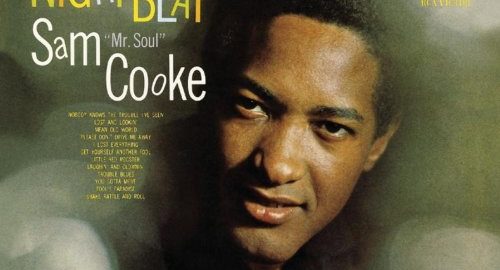
Nightbeat (RCA)

Album Review by John Bush, AllMusic.com
Saddled with soaring strings and vocal choruses for maximum crossover potential, Sam Cooke’s solo material often masked the most important part of his genius — his glorious voice — so the odd small-group date earns a special recommendation in his discography. Thankfully, Cooke’s voice took center stage on this admirably low-key session from February 1963, recorded in Los Angeles with a quartet of studio veterans. Unlike so many session crews and producers of the time, these musicians gave him plenty of space and often simply framed Cooke’s breathtaking vocals. (On one of the best tracks here, “Lost and Lookin’,” he’s barely accompanied at all; only bass and cymbals can be heard far in the background.) The results are wonderful — except for his early Soul Stirrers sides, Night Beat is the best place to marvel at one of the two or three best voices of the century. The songs are intimate blues, most taken at the pace of a late-night stroll, but despite the dark shading and heart-rending tempos, Cooke’s voice is so transcendent it’s difficult to become depressed while listening. Cooke also wrote three of the songs, including the excellent “Mean Old World,” and rendered the traditional “Nobody Knows the Trouble I’ve Seen” practically unfamiliar with his own re-arrangement. Cooke also stretches out on a pair of jump blues classics, “Little Red Rooster” and “Shake, Rattle and Roll,” summoning some honest grit for the former and putting the uptown swing into the latter. He also allows some solo space, from Barney Kessel’s simple, unadorned solo on “Get Yourself Another Fool” to Billy Preston’s playful organ vocalizing on “Little Red Rooster.” If Sam Cooke had lived longer, there would’ve been several more sessions like this, but Night Beat is an even richer treasure for its rarity.